
- ISA Certified Arborists
- Jefferson & Shelby County
Tree Trimming & Pruning in Birmingham, AL
Why Birmingham Trusts Us
When it comes to tree trimming Birmingham AL, the difference between a careless cut and a proper prune isn’t just cosmetic — it can determine whether your tree thrives for decades or declines within a few years. At Birmingham Tree Care Pros, our ISA-certified arborists follow ANSI A300 pruning standards on every job, giving your trees the same evidence-based care that professional arborists use across the country.
Birmingham’s climate — humid summers, clay-heavy soils, and a storm season that runs nearly year-round — puts real stress on trees. Fast-growing species like water oak, tulip poplar, and loblolly pine can develop structural problems quickly without regular pruning. Whether you need routine tree pruning in Birmingham, AL to keep a backyard oak healthy, or emergency crown work after a storm, we bring certified expertise and professional equipment to every property in Jefferson County and Shelby County.
Fully insured. Free on-site quotes. Serving Jefferson and Shelby Counties.
What Is Tree Trimming vs. Pruning?
Trimming and pruning are related but distinct. Trimming improves the shape and appearance of your trees and removes overgrowth that’s crowding structures or blocking light. Pruning is more targeted — it focuses on tree health, removes dead or diseased wood, and corrects structural problems before they become dangerous.
Both require more than a chainsaw and a ladder. Done correctly by an ISA-certified arborist following ANSI A300 standards, trimming and pruning extend the life of your trees, protect your property, and keep your yard looking its best year-round. Done wrong — especially through harmful practices like topping — they can permanently damage or slowly kill even healthy trees.
At Birmingham Tree Care Pros, we do this right. Every cut we make has a purpose.
- ISA Certified Arborist
- ANSI A300 Standards
- Licensed in Alabama
- Arbor Day Foundation Methods
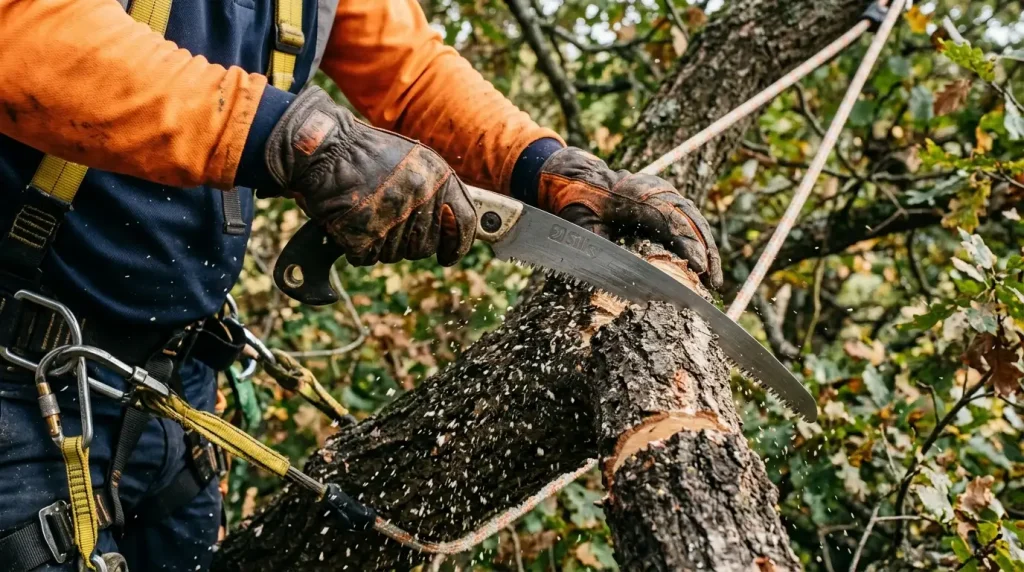
2–3yr
Recommended trimming interval for most mature Birmingham trees
24/7
Emergency response for storm-damaged limbs
100%
Debris cleanup and haul-off included on every job
5★
Average Google rating across Birmingham homeowners
Why It Matters
Why Birmingham Trees Need Regular Trimming
Alabama’s climate — long humid summers, heavy storm seasons, and fast-growing native species — creates tree hazards faster than almost anywhere in the country. Neglect is expensive.
Alabama Storm Season
Birmingham sits in a high-risk corridor for severe thunderstorms, straight-line winds, and the occasional tornado. Overgrown, unbalanced, or deadwood-heavy canopies are the first to fail — often onto roofs, fences, and vehicles.
- Regular trimming reduces wind-load failure risk
Property & Insurance Risk
Branches touching or overhanging your home don’t just cause damage — they can actually void sections of your homeowner’s insurance policy. Insurers increasingly require documented tree maintenance for coverage on storm-related claims.
- Protect your coverage & your home
Power Line Clearance
Trees encroaching on Alabama Power utility lines are a fire and outage risk. Utility-adjacent trimming requires trained arborists — not general contractors or homeowners — to meet legal clearance requirements safely.
- Utility-safe clearance protocol
Disease & Pest Control
Dead and dying branches attract wood-boring beetles, bark beetles, and fungal pathogens. In Birmingham’s clay-heavy soil, stressed trees are particularly vulnerable. Removing compromised wood early stops disease from spreading to healthy trees.
- Deadwood removal before pests move in
Long-Term Tree Health
Pruning at the right time and in the right places directs a tree’s energy toward strong, well-spaced growth. A young tree pruned correctly in its first decade will develop a structure that lasts 50+ years without major intervention.
- Structural pruning for young trees
Curb Appeal & Property Value
In neighborhoods like Mountain Brook, Homewood, and Crestwood, mature trees are a major asset — but only when maintained. Well-shaped trees significantly increase property value and first impressions for buyers and renters alike.
- Aesthetic shaping & crown balancing
⚠ Insurance Notice for Birmingham Homeowners
Some homeowner’s insurance policies contain exclusion clauses for tree-related damage when there is documented evidence of neglect — including limbs that have been touching the roof or overhanging the structure for an extended period. Having your trees professionally trimmed on a documented schedule is one of the easiest ways to protect your claim eligibility. We provide written records of all work performed.
Our Services
Tree Trimming & Pruning Services We Offer
Pruning isn’t one-size-fits-all. Different trees, goals, and situations call for different techniques. Here’s exactly what we offer — and when each service is the right call.
Crown Thinning
Selective removal of interior branches to reduce density, improve light penetration, and increase air circulation through the canopy. Particularly important for Birmingham's dense hardwoods — oaks, maples, and beeches — that develop thick canopies over time.
Best for: Established deciduous trees · Reduces storm wind-load · Improves grass and garden growth underneath
Crown Raising (Lift Pruning)
Removing lower branches to raise the tree's canopy height — creating clearance for pedestrians, driveways, vehicles, and sight lines. Common in Birmingham neighborhoods where trees have grown over walkways, streets, or near the roofline of single-story homes.
Best for: Street trees, yard trees near driveways · Creates clearance without reducing canopy size
Deadwood Removal
Careful removal of dead, dying, or structurally compromised branches. Deadwood is both an aesthetic problem and a safety hazard — it falls unpredictably and attracts wood-boring pests like pine bark beetles and emerald ash borers that can spread to neighboring trees.
Structural / Corrective Pruning
Pruning to correct defects in a tree's structure — removing co-dominant stems (competing leaders), crossing branches, or sections developing a lopsided weight distribution that could cause failure. Most effective on young trees, but corrective work on mature trees can also reduce risk significantly.
Canopy Reduction
Reducing the overall size of a tree's canopy while preserving its natural form. Used when a tree has grown too close to a structure, is blocking a view, or simply needs to be brought back into proportion with its setting. This is not topping — we make proper cuts at branch junctions, not arbitrary height cuts.
Young Tree Development Pruning
The most cost-effective tree care investment you can make. Pruning a tree in its first 10–15 years shapes its permanent structure, removes weak branch unions early, and trains it toward healthy, balanced growth. A correctly formed young tree is far less likely to fail or require expensive intervention later.
Ornamental & Fruit Tree Pruning
Dogwoods, redbuds, fruit trees, and ornamental cherries all require a lighter, more precise touch than hardwoods. Timing is especially critical — prune a dogwood at the wrong time and you'll eliminate next spring's blooms. Our arborists know the flowering and fruiting cycles of Alabama's most common ornamentals.
Shrub & Hedge Trimming
We also handle ornamental shrubs, privacy hedges, and foundation plantings. Whether it's boxwoods, hollies, Leyland cypresses, or azaleas, proper shaping maintains plant health and keeps your property's overall landscape looking clean and well-maintained.
Tree Species
Trees We Trim Across the Birmingham Area
Every tree species has its own pruning requirements — different growth habits, different timing windows, different risk profiles. Our arborists know Alabama’s native and ornamental species inside and out.
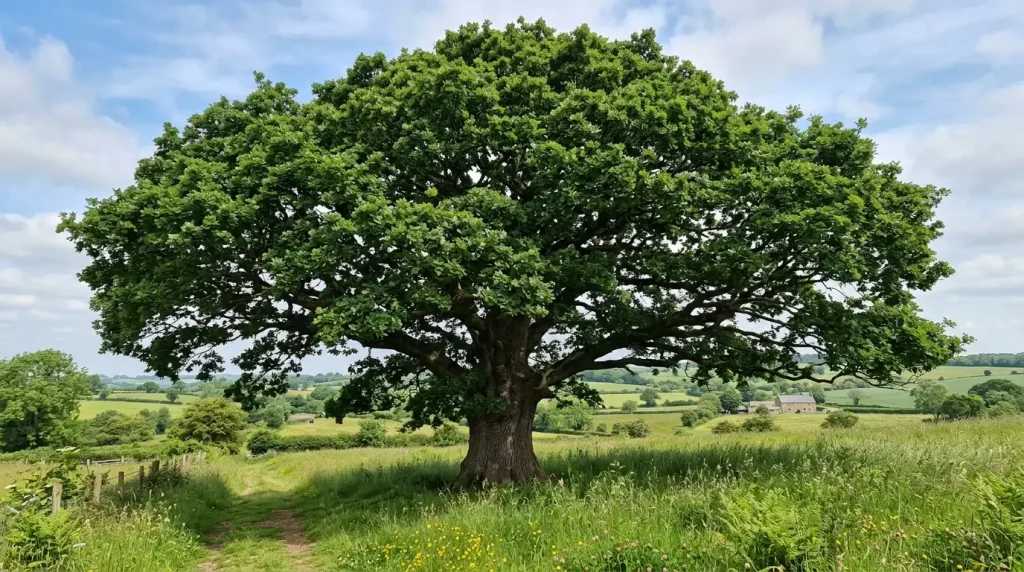
Water Oak & Willow Oak
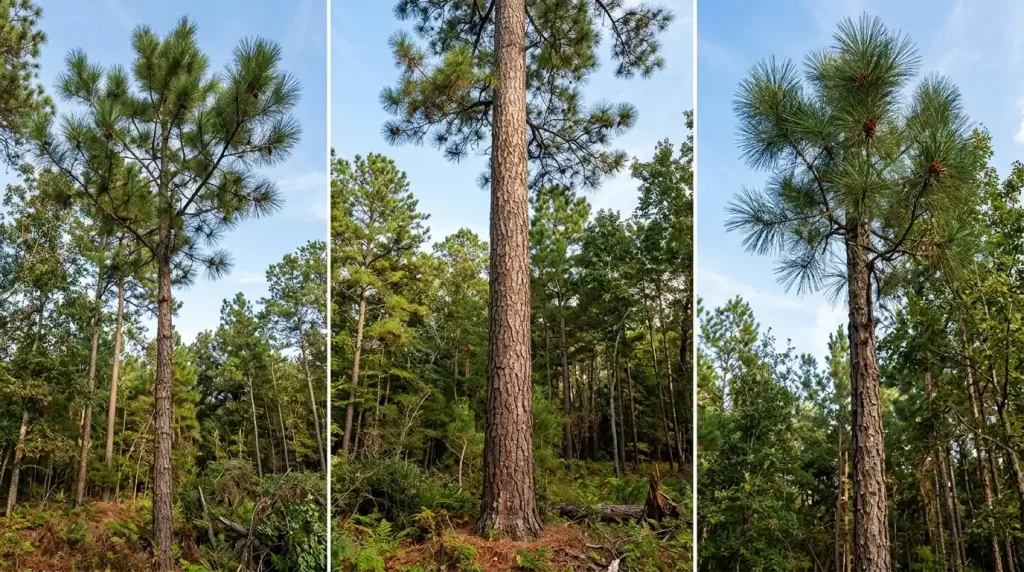
Loblolly & Longleaf Pine
River Birch
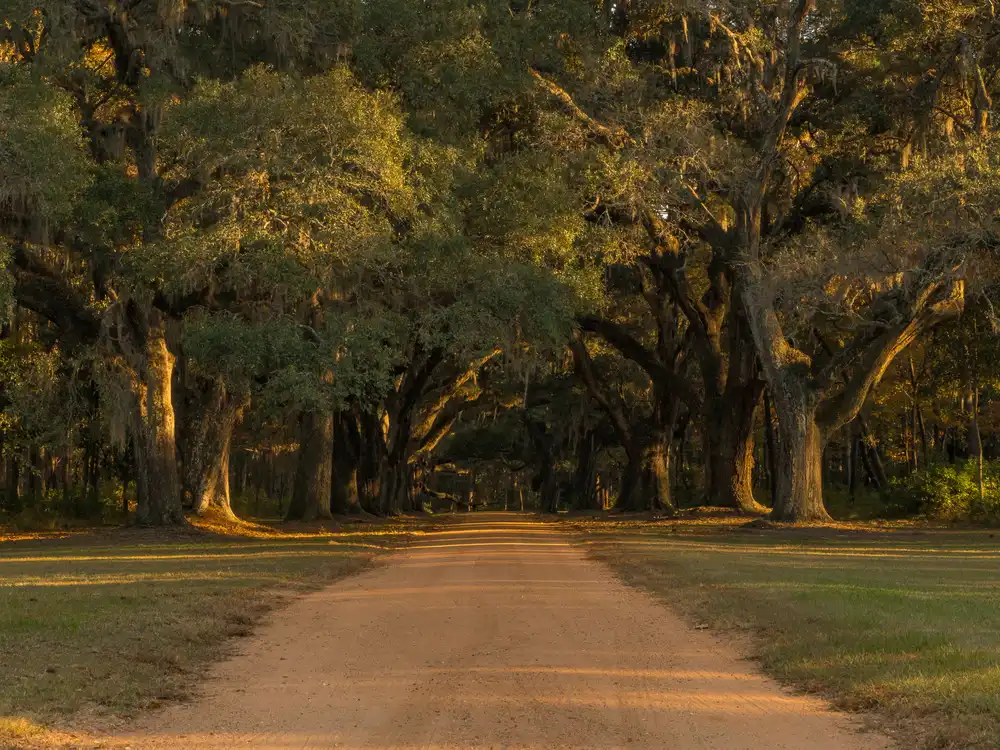
Eastern Redbud & Dogwood
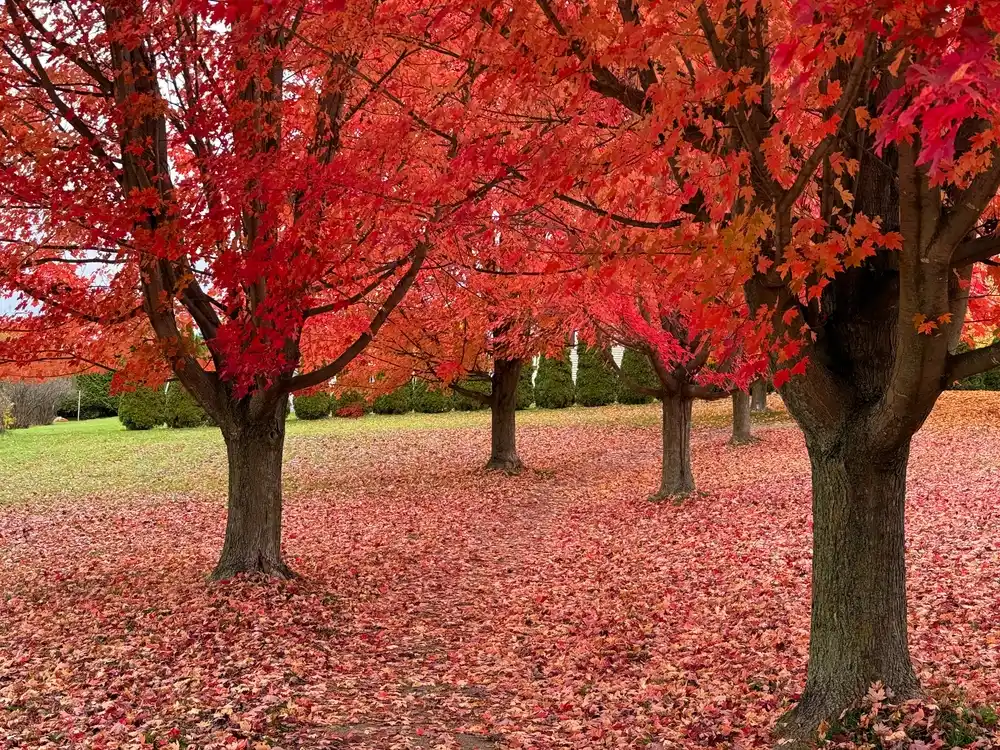
Red Maple & Silver Maple
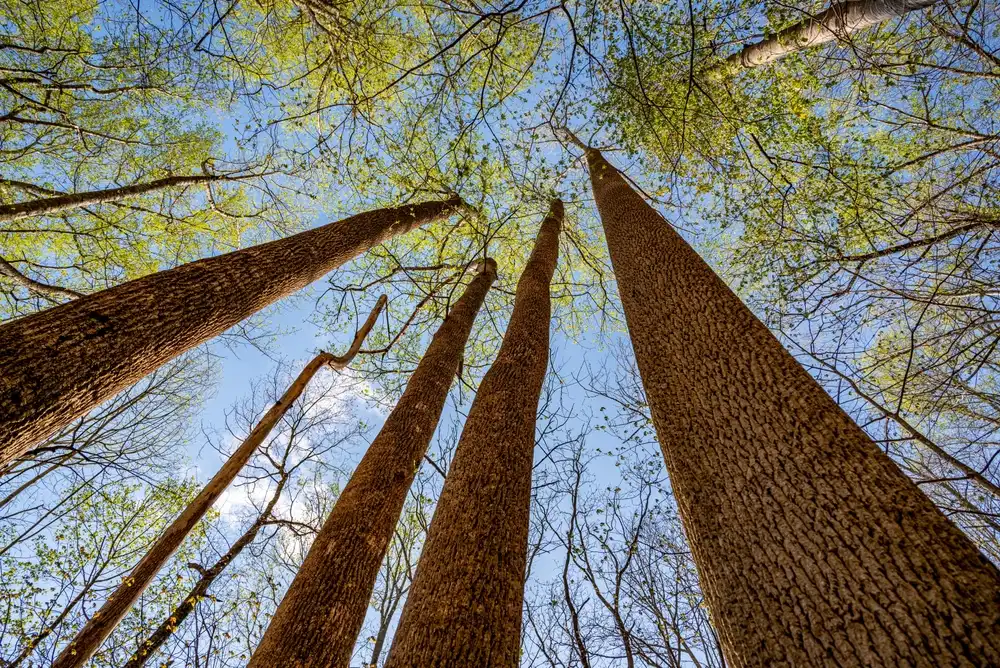
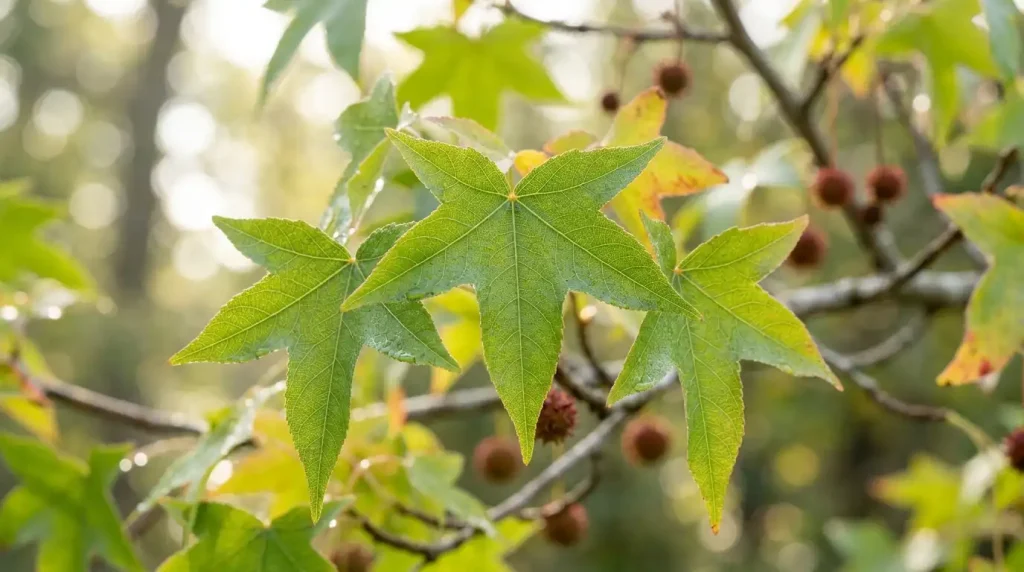
Sweetgum & Tulip Poplar
Common Mistake
"Crape Murder" — Why We Never Top Crape Myrtles
Crape myrtles are Birmingham’s most over-pruned tree. Every spring, crews across Jefferson County hack them back to thick stubs — a practice so harmful that arborists have given it a name: “crape murder.” It’s one of the most damaging things you can do to a crape myrtle.
Topping crape myrtles doesn’t make them bloom better — it disfigures them permanently, creates structurally weak regrowth prone to wind failure, and opens large wounds that invite disease. Once a crape myrtle has been repeatedly topped, undoing that damage takes years of careful corrective pruning.
The right approach
DO
Remove crossing or rubbing branches
DO
Thin the interior canopy for airflow
DO
Remove seed pods and suckers at the base
DO
Make clean cuts at branch junctions
DON'T
Cut the main leaders back to stubs
DON'T
Remove more than 25–30% of total canopy
DON'T
Prune for height control — choose the right size variety instead
Transparent Pricing
Tree Trimming Cost in Birmingham, AL
Most tree services won’t publish their rates. We do — because you deserve to know what you’re budgeting before we arrive. Every job receives a written quote before any work begins.
| Tree Size / Type | Service | Typical Starting Price | Notes |
|---|---|---|---|
| Small (under 25 ft) Ornamentals, dogwoods, young maples | Crown cleaning / shape trim | $150–$350 | Includes debris cleanup |
| Medium (25–50 ft) Maples, water oaks, river birch | Crown thinning / deadwood removal | $350–$750 | Most common job in Jefferson County |
| Large (50–75 ft) Mature oaks, pines, sweetgums | Crown thinning / raising | $750–$1,400 | May require aerial lift |
| Very Large (75+ ft) Old-growth oaks, large pines | Full canopy service | $1,200–$2,500+ | Assessed on-site; crane may be required |
| Crape Myrtles Single or grouping | Proper pruning (not topping) | $100–$250 | Per tree; discounts for multiples |
| Shrubs & Hedges Boxwood, holly, Leyland cypress | Formal shaping / maintenance trim | $75–$200 | Per linear foot or per visit |
Tree Height & Diameter
Larger trees require more labor, specialized equipment, and time. A 30-foot oak takes significantly less work than an 80-foot white oak in a tight yard.
Location & Access
Trees near structures, fences, utility lines, or with difficult ground access require additional rigging and care — which affects the final price. We assess all of this during your free estimate.
Extent of Work Needed
A tree that hasn’t been trimmed in a decade requires significantly more work than one on a regular maintenance cycle. We always quote scope honestly — no surprise additions on the day of service.
- Free written estimates — no obligation
- No hidden fees ever
- Debris cleanup always included
- Multi-tree discounts available
- Senior & veteran discounts
Tree Species
When to Trim Trees in Alabama — Seasonal Guide
The best time to trim depends on the species and what you’re trying to accomplish. Here’s how Birmingham’s seasons map to tree care.
Winter (Dec–Feb)
Dormancy window
The best season for structural pruning of most deciduous trees. Without leaves, the tree’s structure is fully visible, wounds seal faster before spring growth begins, and pest/disease risk is lowest. Ideal for oaks, maples, sweetgums, and tulip poplars.
Spring (Mar–May)
Selective window
The best season for structural pruning of most deciduous trees. Without leaves, the tree’s structure is fully visible, wounds seal faster before spring growth begins, and pest/disease risk is lowest. Ideal for oaks, maples, sweetgums, and tulip poplars.
Summer (Jun–Aug)
Light work window
Suitable for light maintenance trimming, removing hazardous deadwood, clearance pruning near structures, and crown raising. Avoid major cuts on stressed trees during drought. River birch is best pruned in late summer to minimize sap bleed.
Fall (Sep–Nov)
Pre-dormancy prep
Good for deadwood removal and structural assessment before storms. Avoid heavy pruning until trees are fully dormant in late November. Crape myrtles, once dormant, can be properly pruned in late fall without harming next year’s bloom. Excellent time for young tree development pruning.
Not sure what season is right for your trees? We’ll assess on-site and recommend the ideal timing — free of charge.
OUR PROCESS
How Our Tree Trimming Service Works
From your first call to a clean, healthy yard — here’s exactly what to expect when you hire Birmingham Tree Care Pros.
01
Free On-Site Assessment
We visit your Birmingham property and walk the trees with you. Our certified arborist identifies what type of pruning each tree needs, flags any health or structural concerns, and explains your options in plain language — no pressure, no upsell.
02
Written Quote & Scheduling
You receive a detailed written quote covering every tree and every service — no vague line items, no surprise additions. We schedule around your calendar. Most standard trimming jobs are available same-week or within 2–3 days.
03
Expert Trimming by Certified Arborists
Every cut follows ANSI A300 pruning standards. We use proper technique at branch collars — never leaving stubs, never making flush cuts. Larger limbs are lowered with ropes and rigging to protect your lawn and landscaping throughout.
04
Complete Cleanup & Haul-Off
All brush is chipped on-site and hauled away. Wood sections are removed unless you’d like to keep them for firewood. We rake and blow the area clean before we leave. You shouldn’t be able to tell we were there — except for a noticeably better-looking yard.
Local Regulations
Permits, Property Lines & Alabama Tree Law
Tree trimming in Greater Birmingham comes with a few legal considerations most homeowners don’t think about until something goes wrong. Here’s what you need to know before any work begins.
Our team is familiar with Jefferson County municipal codes and the specific ordinances in Birmingham, Hoover, Mountain Brook, and Vestavia Hills. During your free estimate, we’ll let you know if any permits or notifications are needed for your specific job.
Birmingham City Tree Ordinances
The City of Birmingham regulates trimming and removal of trees in public rights-of-way and may require permits for significant work on protected trees on private property above a certain trunk diameter. Neighboring cities — Mountain Brook, Vestavia Hills, and Hoover — have their own separate codes. We handle the permit research for you.
Neighbor's Tree Overhanging Your Property
In Alabama, you generally have the legal right to trim branches that cross your property line — but only the portions on your side of the fence. You cannot enter your neighbor's property to do so, and you cannot trim in a way that would harm or kill the tree. If you do damage the tree, you may be liable for up to three times its value under Alabama law. When neighbor disputes are involved, let a certified arborist assess the situation first.
Utility Line Clearance
Trees within the utility easement near Alabama Power lines require coordination with the utility company for major work. Our arborists are trained to perform clearance pruning that meets utility and municipal requirements without damaging the tree unnecessarily.
Why Choose Us
The Birmingham Tree Care Pros Difference
There are a lot of tree services in Birmingham. Here’s what separates a certified arborist from someone with a truck and a chainsaw.
ISA Certified Arborists
ISA certification requires demonstrated knowledge of tree biology, proper pruning technique, risk assessment, and ongoing continuing education. Our lead arborists are certified — not just licensed contractors. That means every cut we make is backed by science, not guesswork.
ANSI A300 Pruning Standards
The American National Standards Institute A300 guidelines define best practices for pruning, trimming, and tree care across the industry. We follow them on every job. This is the standard used by utility companies, municipalities, and professional arborists nationwide — and the one that protects your trees from harmful practices.
Fully Insured — $2M Coverage
We carry $2 million in general liability insurance and full workers' compensation coverage. If anything unexpected happens on your property, you are protected. Always ask any tree service for proof of insurance before they touch a single branch — uninsured crews put you at legal risk.
Written Quotes, No Surprises
Every estimate is written and itemized before we start. What we quote is what you pay — no charges added on the day of service, no fees for debris removal, no sudden complexity upcharges. If anything changes in scope, we discuss it with you before proceeding.
Full Cleanup Included
Every trimming job includes on-site chipping of all brush and complete haul-off of wood and debris. We don't leave piles of branches for you to deal with. We bring a Vermeer chipper and use it — your yard is cleaner when we leave than when we arrived.
Locally Owned & Operated
We're a Birmingham business, not a national franchise. We know Jefferson County's tree species, our red clay soil conditions, and what Alabama's storm season does to different trees — because we live here too. You get knowledgeable, accountable local service with every call.
Service Areas
Tree Trimming & Pruning Across Greater Birmingham
We provide professional tree trimming and pruning services throughout Birmingham and the surrounding communities of Jefferson and Shelby Counties. Our crews know the specific neighborhoods, soil conditions, and tree species in each area — because we’ve been working here for years.
Whether you’re in a historic Homewood yard with 80-year-old water oaks, a newer Trussville subdivision with fast-growing river birches, or anywhere in between, we bring the same ISA-certified expertise to every property.
Our ISA Certified Arborists provide expert tree trimming in Homewood, AL, including crown thinning, structural pruning, and deadwood removal.
Areas We Serve
- Birmingham, AL
- Hoover, AL
- Homewood, AL
- Trussville, AL
- Vestavia Hills, AL
- Mountain Brook, AL
- Pelham, AL
- Alabaster, AL
- Irondale, AL
- Fultondale, AL
- Gardendale, AL
- Center Point, AL
- Bessemer, AL
- Forest Park, AL
- Greystone, AL
- Southside, AL
- Cahaba Heights
- Inverness, AL
Common Questions
Tree Trimming Birmingham AL — Frequently Asked Questions
Answers to the questions we hear most often from Birmingham homeowners about tree trimming, pruning timing, cost, and local regulations.
Most mature trees in Birmingham benefit from a professional inspection and trim every 2–3 years. However, the right frequency depends on the species, age, and location of the tree. Fast-growing trees like silver maple and sweetgum may need trimming every 2 years. Slower-growing hardwoods like white oak can go 4–5 years. Young trees (under 15 years) should be pruned annually to establish good structure early. Trees near structures, utility lines, or with a history of storm damage should be assessed more frequently. We’re happy to recommend a maintenance schedule during your free estimate.
The terms are often used interchangeably, but technically they emphasize different goals. Trimming is primarily about appearance and growth management — removing overgrowth, shaping the canopy, and clearing branches from structures or sightlines. Pruning is more health- and safety-focused — removing dead, diseased, or structurally compromised wood, correcting poor branch structure, and improving long-term stability. In practice, most professional tree care jobs involve both. The key distinction: trimming asks “what do we want this tree to look like?” while pruning asks “what does this tree need to be healthy and safe?”
For most deciduous trees in Alabama, late winter (January–February) is the ideal window — trees are dormant, the structure is visible without leaves, wound closure begins with spring growth, and pest activity is minimal. That said, there are important exceptions:
- Spring-blooming trees (dogwood, redbud, ornamental cherry): prune immediately after flowering
- Oaks: avoid pruning from April through June to reduce oak wilt risk
- River birch: prune in late summer to minimize sap bleed
- Crape myrtles: prune once fully dormant in late fall to early winter
- Dead or hazardous limbs: removed any time of year
Our arborists account for species-specific timing on every job. If a tree needs to come down in summer due to a storm or hazard, we handle it — but we’ll also discuss the right time for follow-up structural work.
Yes — improper trimming absolutely can kill a tree, or severely shorten its life. The most harmful practices are tree topping (cutting the main trunk or large leaders back to stubs), removing more than 25–30% of the live canopy at once, making flush cuts at the trunk (which removes the branch collar and prevents wound closure), and pruning at the wrong time of year for disease-susceptible species like oaks. These aren’t just aesthetic problems — they stress the tree, expose large wounds to disease and decay, and trigger structurally weak regrowth. Our arborists follow ANSI A300 standards specifically to prevent these outcomes. If a previous tree service topped your trees, we can assess the damage and begin corrective pruning to restore structure over time.
Generally, yes — Alabama law allows property owners to trim branches and roots that cross their property line, up to the boundary line. However, there are important limits. You can only trim the portions of the branches that are on your side of the property line. You cannot enter your neighbor’s property without permission. And critically: if your trimming kills or significantly damages the tree, you may be liable for the tree’s value — which under some Alabama interpretations can be up to three times the appraised value of the tree. Before touching a tree that originates on a neighbor’s property, we strongly recommend having a certified arborist assess the situation and document the scope of any work. We can help mediate neighbor tree disputes in a way that’s legal, safe, and relationship-preserving.
For most standard trimming of trees on private residential property, no permit is required in Birmingham or surrounding Jefferson County municipalities. However, permits or notifications may be required in specific situations: trimming or removing significant trees in public rights-of-way, work near protected tree zones, and in some cases, removal of trees above a certain trunk diameter in Mountain Brook, Vestavia Hills, or other incorporated areas with their own tree protection ordinances. When we assess your property, we’ll research the applicable local codes and let you know if any permits are needed — and we handle the application if they are.
Light trimming, deadwood removal, and clearance pruning can be done safely year-round, including summer. For most species, summer major pruning is less than ideal but not harmful if done correctly and limited in scope. There are a few species where summer pruning is the preferred timing — river birch is actually better pruned in late summer. The main cautions: avoid heavy pruning of drought-stressed trees during Birmingham’s dry spells in July–August, and avoid pruning oaks from April through June due to oak wilt risk. If you have a safety concern or a hazardous limb situation, we’ll address it regardless of season — tree safety always takes priority over timing preferences.
Yes — always. All brush is chipped on-site with our Vermeer wood chipper and hauled away. Larger wood sections (logs, heavy limbs) are removed unless you specifically request to keep them for firewood or other uses. We rake and blow the work area clean before we leave. Debris removal is included in every trimming quote — there’s no separate line item for it and no add-on fee for haul-off. Your property should look better after we leave, not like a storm came through.
Ready for Healthier, Safer Trees? Get Your Free Estimate.
Birmingham’s certified arborist team. ANSI A300 pruning standards. No hidden fees. Full cleanup included. Same-week scheduling available.